 Skip to content

Master Poker Strategy: Essential Tips for Winning Cash Games and Tournaments
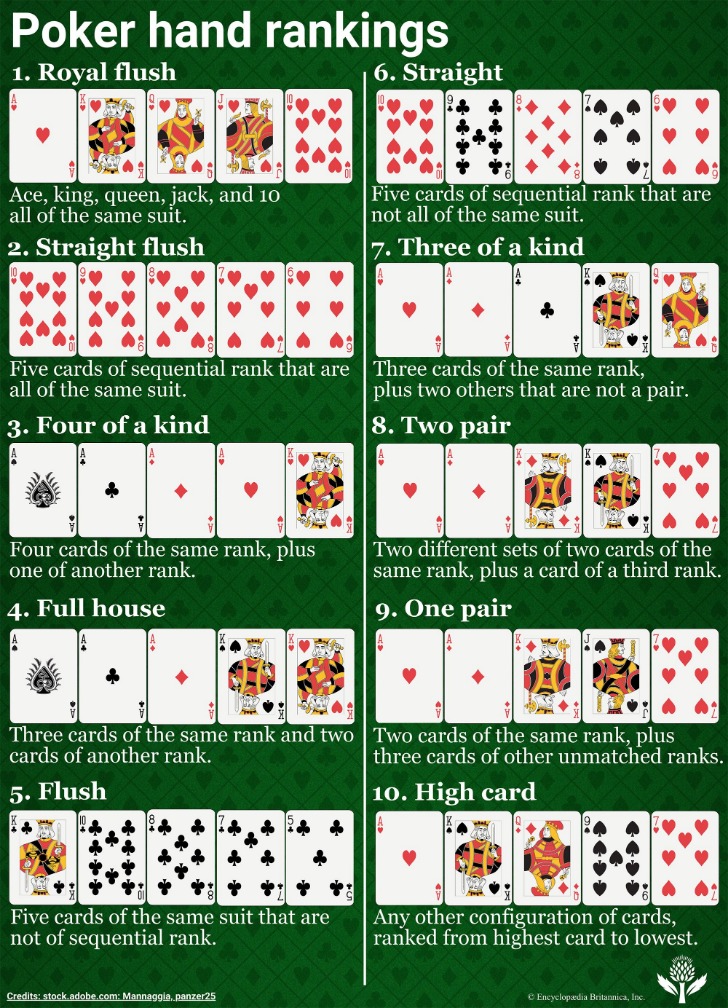
Feeling like luck has nothing to do with your success, and you’re tired of games that leave everything to chance? Poker turns that around by blending skill, psychology, and calculated risk into every hand you play. You learn to read opponents, manage your stack, and make decisions under pressure—all while enjoying a game that rewards patience and sharp thinking. Mastering the fundamentals of hand rankings and betting rounds is your first step toward turning a casual pastime into a genuinely engaging mental challenge.
Why This Card Game Demands More Than Luck
You sit down with pocket aces, and the flop brings three spades—your hand is suddenly fragile, not because the cards changed, but because you have to read what your opponent’s tiny hesitation means. Poker demands more than luck the moment you realize that the same two cards can win or lose based on position, bet sizing, and table image. A lucky river can save you once, but a skilled player will put you in spots where luck never arrives—where you fold the best hand because the story they told was more convincing than your cards. The real skill is calculating hidden equity against a range, not just your own hole cards, and that calculation repeats on every street, forcing decisions that no shuffle can solve. Luck deals the hand; you play the player.
The Core Skills That Separate Winners from Casual Players
Winners consistently apply strategic decision-making under uncertainty, a skill casual players rarely practice. This means calculating pot odds and implied odds before every call, rather than hoping for a lucky card. Positional awareness is another separator: winners exploit late-table advantage to observe opponents’ tendencies, while casual players act blindly from early positions. Emotional control directly impacts results, as tilt leads to overbetting and chasing losses. Furthermore, winners study hand ranges and bet-sizing patterns to infer hidden information, whereas casual players rely on their own two cards alone. Bankroll management also filters the field—disciplined stake selection keeps winners in profitable games, while casual players risk entire stacks on whim.
Core skills—odds calculation, position, emotional control, range reading, and bankroll discipline—turn a luck-based game into a repeatable profit engine.
How Psychology and Probability Interact at Every Table
Every poker hand is a collision between calculated probability and psychological pressure. The math tells you the exact odds of completing a flush, but your opponent’s betting pattern—a hesitant pause, an overconfident raise—shifts those odds in real time. You fold a 35% draw because the player across from you has shown strength three times in a row, converting cold numbers into a live read. Conversely, you call a tight player’s bluff at 20% equity because their micro-expressions scream fear. The table becomes a living equation where each decision updates both the statistical range and the human story behind it. Master this fusion, and you exploit both the deck and the minds holding it.
- Probability defines the baseline; psychology adjusts it for each specific opponent.
- Bet sizing reveals emotional state, overriding raw pot odds.
- Your own tells alter the mathematical value of every action you take.
Essential Starting Hands and Position Play
In no-limit hold’em, your starting hand’s value is inseparable from your seat at the table. From early position, only play premium pairs (TT+) and big suited aces (AJs+, AQo+), because you face the highest chance of being out-flopped by later raisers. In middle position, you can add broadway combos like KQs and ATs, but still avoid marginal suited gappers. From the cutoff and button, widen to all pairs, suited aces, and two-gappers like 97s, since position lets you control pot size and steal blinds. Position dictates hand playability more than raw card strength. If you limp in early with speculative hands, you’re paying for the privilege of acting first post-flop—a losing trade. Raise or fold from early seats; never call. When you’re in the small blind, tighten up drastically, because you’ll be out of position for the entire hand. Your true edge comes from knowing that a so-so hand like KTo is a profitable open from the button but a trap under the gun.
Which Hole Cards Are Actually Profitable Long-Term
Profitable hole cards long-term hinge on implied odds and positional leverage, not just card rank. Premium pairs (AA–QQ) and Ace-King suited are the only hands that consistently generate profit from early position, as they dominate opponents’ raising ranges. From late position, broaden to suited connectors (JTs, 98s) and small pairs (22–77), which play well against loose blinds. Steer clear of off-suit Broadway combos (KJo, QTo) and weak aces (A9o) — they trap you in reverse-implied-odds spots. A reliable sequence:
- Open-raise only hands with 15%+ equity versus calling ranges.
- Fold marginal suited aces (A2s–A7s) when facing a three-bet.
- Call with speculative hands only when you’re 100+ big blinds deep.
Hand strength is static; profit is positional and situational.

How Your Seat at the Table Changes Every Decision

Your position at the table dictates the profitability of every starting hand you consider. Early position forces you to play a narrow range of premium hands because multiple opponents act after you, each holding the potential to raise or re-raise. As you move closer to the button, the power shifts: late position allows you to enter pots with speculative hands like suited connectors, since you can gauge the action before committing chips. This is why position-based hand selection directly alters your decision tree—a weak ace is a fold under the gun but a viable raise on the button against limpers. The same hand changes value purely based on how many players can punish you after you act.

Betting Sizes That Maximize Value and Minimize Losses
In poker, betting sizes that maximize value and minimize losses hinge on understanding your opponent’s range and the board texture. Value bets should be sized to extract calls from weaker hands, typically 50–75% of the pot on dry boards, where stronger hands are rare. On wet or coordinated boards, reduce your size to protect against draws, using 40–60% to deny equity without risking a large stack. Conversely, minimize losses by choosing smaller probe or continuation bets (30–40%) when you have marginal made hands, reducing your exposure to raises. Overbetting thin value hands is the fastest way to turn a winner into a loss. For bluffs, use the same sizing you would with your value hands to remain balanced. Always adjust for stack depth: with deep stacks, favor smaller, more frequent bets to control pot growth; with shallow stacks, commit with decisive 60–75% bets to force folds or get paid.
- Bet 50–75% pot with strong made hands on dry boards to maximize calls from worse pairs.
- Use 40–60% pot on draw-heavy boards to charge draws while limiting your own downside.
- Stick to 30–40% pot with medium-strength hands to keep pots small and avoid facing big raises.
- Match bluff sizings to your value sizings to prevent observant opponents from exploiting you.
- Reduce bet size as stack depth increases, preserving fold equity while capping potential losses.
Reading Opponents Without Physical Tells
When physical tells vanish online, your read must shift to timing and bet sizing patterns. A player who pauses before a river raise often holds a bluff-catcher, while an instant check-raise signals confidence built over a slow-played monster. Track the gap between the dealt card and their action: a sudden 1.5-second click-call after three quick folds usually means a marginal made hand, not a draw. Compare their preflop raise frequency in early position versus late—a tight player opening from UTG with a small size likely has a premium, but if they suddenly overbet the turn, they’re polarizing, not value-heavy. Q: How do you spot a bluff without a heartbeat? A: Watch for consistent 80% pot bets on dry boards—amateurs double-barrel too uniformly, while pros mix check-raises when the board pairs. Finally, note whether they auto-continue after your float; a delayed check on the turn indicates they’ve given up, not that they’re trapping.
Betting Patterns That Reveal Hand Strength
In no-limit hold’em, betting patterns that reveal hand strength emerge from timing and sizing consistency. A player who instantly checks when the flop misses their range, but delays three seconds before continuation-betting on a coordinated board, often signals weakness. Conversely, a sudden overbet—like 1.5x the pot on a river brick—typically indicates a polarized value hand or bluff, but a precise 60% pot bet across all streets suggests a made hand protecting against draws. Discrepancies between prior street sizing and current action are the most reliable tells. Follow this sequence to decode:
- Track the preflop raise real mahjong size relative to position—a larger raise from early position narrows range to premium pairs or big aces.
- Compare flop bet sizing to turn bet sizing; a drop from 75% to 40% often signals a marginal pair losing confidence.
- Note the speed of river calls—a snap-call after a checked flop usually means a medium-strength hand, while a long tank before calling indicates a bluff catcher or nuts.
These patterns, when logged per opponent, outpace any physical read.
Timing and Sizing Cues You Can Use Instantly
Snap-calls and instant shoves often indicate prepared strength, while a deliberate pause before a raise frequently signals deliberation over a marginal hand. Watch bet sizing for consistency: a suddenly larger bet on the river than the turn usually represents value, whereas a smaller, quick bet may be a blocking maneuver. Instant sizing tells emerge when a player’s chip motion is automatic—grabbing a fixed stack without hesitation suggests they planned that amount, often for thin value. Conversely, a slow, hesitant chip slide with uneven counts usually precedes a weak bluff. Use the clock: under three seconds to bet big indicates confidence; over ten seconds to call a moderate bet suggests a tough decision, often capped by mediocre strength. Apply these cues in low-pressure spots first to calibrate your reads.
- Note the time-to-action for every significant bet.
- Compare the bet size to the pot’s previous street ratio.
- Filter out known timing patterns from specific opponents.
Bankroll Management Strategies for Consistent Growth
You’ve grinded your $50 deposit up to $400, and the rush makes you want to jump from 2NL to 10NL. That’s the exact moment your bankroll management strategies for consistent growth get tested. The rule isn’t about avoiding risk—it’s about sizing it so one bad week doesn’t erase three good ones. Keep at least 20 buy-ins for cash games and 100 for tournaments, and move up only when you’ve cleared 30 buy-ins at the next stake. Drop down immediately if you lose 10% of your roll. This isn’t math homework; it’s a survival rhythm. When you treat your bankroll like a living thing that needs breathing room, you stop chasing losses and start compounding wins. The players who last aren’t the luckiest—they’re the ones who never let a downswing kill their shot at the next upswing.
How Many Buy-Ins You Need per Game Type
Figuring out how many buy-ins you need per game type is your first real step to staying in the game. For cash games, keep at least 100 buy-ins if you’re playing deep-stacked no-limit hold’em, though 50 can work if you’re a rock-solid winner. Tournaments are wilder—you’ll want 100 to 150 buy-ins for standard MTTs because of their high variance, and bump that to 200 for fast structures like turbos or hypers. Sit-and-gos sit in between: 50 to 75 buy-ins for single-table games, but 100 if you’re mixing in multi-table formats. These numbers protect you from downswings without choking your growth.
- Cash games: 100 buy-ins (deep stack), 50 for proven winners.
- Tournaments: 100–150 buy-ins; add 50 more for turbo/hyper formats.
- Sit-and-gos: 50–75 buy-ins, or 100 for multi-table variety.
Moving Up and Down Stakes Without Going Broke
Moving between limits requires a strict, rule-based trigger rather than emotion. Before stepping up, you need at least 40 buy-ins for the new stake and a proven win rate over 50,000 hands at your current level; otherwise, you are gambling, not growing. When you step down, do so immediately after losing 10 buy-ins at the higher stake—do not chase losses with your remaining cushion. This discipline preserves your bankroll’s core, allowing you to re-attempt later. Never move up during a downswing or a tilt session. The key is to treat each stake shift as a controlled bankroll reallocation event, not a promotion or demotion of your ego. Your base stake remains your safety net; you only play higher when the math says you’re over-rolled, and you retreat the instant variance hits the threshold.
Moving up and down stakes without going broke means predefining strict buy-in and loss triggers, then following them mechanically—your survival depends on stepping down before your cushion erodes, not on winning at higher limits.